RTI Connext adopted in Voyis autonomous subsea platforms
Real-Time Innovations (RTI) has been selected by Voyis to provide the data distribution backbone for its latest underwater vision platforms. The collaboration centres on integrating RTI’s middleware into onboard systems used in commercial and defence subsea operations.
Data backbone for subsea vision systems
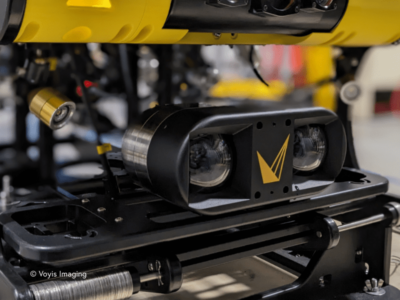
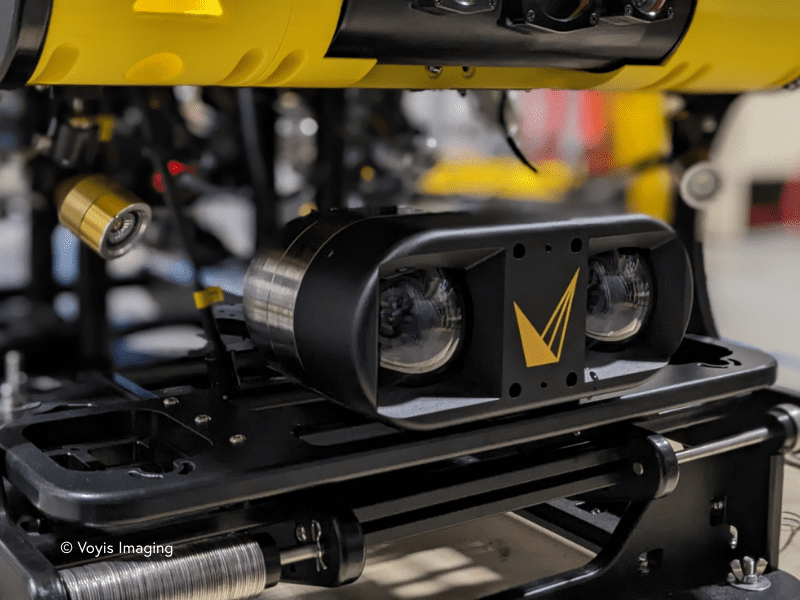
Voyis is using RTI Connext as the underlying data framework for the onboard software architecture of its Discovery and Observer Vision Systems. These camera platforms are designed for remotely operated vehicles and autonomous subsea vehicles, combining low-latency video with direct 3D modelling from still images.
According to RTI, Connext acts as the data backbone, helping imaging outputs move predictably between onboard compute resources, autonomy stacks and vehicle subsystems. In subsea environments, where bandwidth can be constrained and connections intermittent, deterministic real-time communication is a key design requirement.
Voyis says it adopted Connext after encountering limitations with alternative open-source implementations, particularly in debugging and maintaining complex distributed systems. The company points to the availability of tooling, documentation and ecosystem support as factors that reduced integration effort and accelerated development.
“The depth of tooling, documentation, and support that came with Connext allowed us to focus on building a robust, flexible vision system rather than troubleshooting the underlying infrastructure,” said Adam Riese, Vice President of Engineering at Voyis. “That foundation gave us the confidence to move quickly and design for change. As system requirements evolve, we were able to integrate new capabilities and maintain performance without re-architecting our approach.”
Real-time communication in defence and offshore applications
RTI positions Connext as enabling a microservices-based architecture across embedded camera systems, supporting deterministic communication between distributed components. This approach is increasingly relevant in autonomous maritime platforms that must fuse sensor data, execute AI-driven perception and coordinate actuation in real time.
In defence contexts, underwater vision systems can contribute to situational awareness and hazard identification, including the detection of mines and other threats. In commercial offshore operations, they are typically used for inspection, survey and exploration tasks.
“Across both commercial and defence applications, vision systems play a critical role in improving situational awareness, identifying hazards such as IEDs and mines, and enabling autonomous manipulation and obstacle avoidance,” said John Breitenbach, Director of Aerospace and Defence Markets at RTI. “Connext delivers the mission-ready data infrastructure required to deploy interoperable, resilient systems in the most demanding maritime environments.”
 If you enjoyed this article, you will like the following ones: don't miss them by subscribing to :