Nvidia H200 China purchases face new Beijing limits
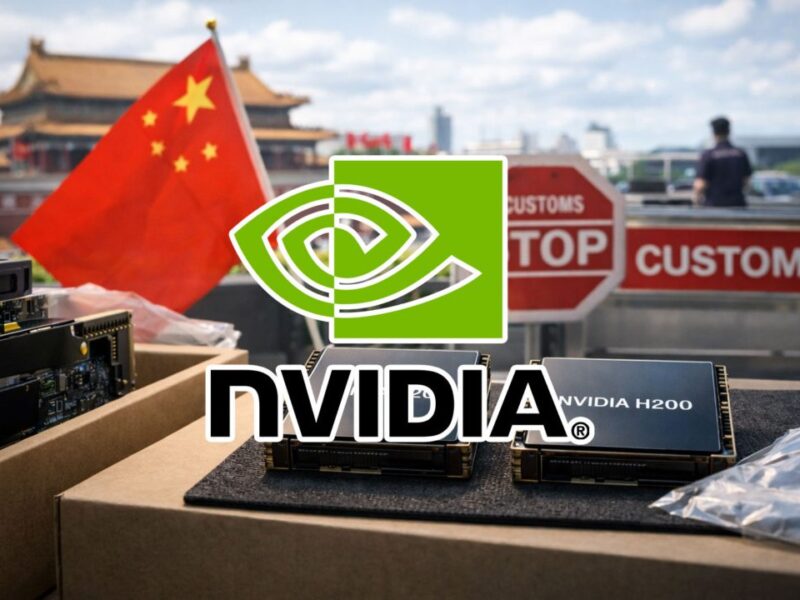
Beijing is reportedly tightening control over who can buy Nvidia’s H200 accelerators in China, even as the US side appears to be reopening a licensed export path. H200 “special circumstances” reporting suggests approvals may be confined to a narrow set of use cases, with university R&D labs repeatedly mentioned as the obvious “safe” bucket.
That distinction matters because it turns the question from “can H200s be shipped?” into “who inside China is allowed to take delivery and deploy them?” In practice, a purchase channel that depends on discretionary approvals can be slower, less predictable, and easier to tighten further without any public rule change.
What “special circumstances” does in practice
The reported language is vague by design. If decisions are made case-by-case, large commercial buyers can be left in limbo, while politically low-risk buyers (such as universities) continue to get limited access. It’s also a neat way to keep domestic accelerator vendors protected from a broad commercial roll-out of a top-tier imported part, while still allowing a controlled amount of cutting-edge compute for strategic research.
It also reshapes how the market signals demand. A big orderbook doesn’t mean much if only a thin slice of buyers can legally clear the approvals needed to complete imports, installation, and ongoing operations. That is especially relevant for cloud operators and AI labs that plan around predictable GPU allocations and deployment schedules.
US licensing and China gatekeeping are now separate chokepoints
On the US side, Washington has approved H200 exports with conditions, including third-party testing and other constraints intended to keep capability within policy bounds. But on the China side, both that purchases are being narrowed to “special circumstances”, and that customs enforcement may block entry regardless of buyer intent.
Put together, it suggests a two-key system: even if an export licence exists, domestic procurement permission and border enforcement can still determine whether hardware arrives and gets deployed. For buyers, that means higher execution risk and longer planning horizons.
What to watch next
The immediate tell will be whether commercial cloud and enterprise buyers can obtain approvals at all, or whether the practical market collapses into “universities only” with occasional exceptions. The second tell is consistency: if enforcement differs across ports, regions, or sectors, the policy becomes a de facto throttling mechanism rather than a clean ban.
For context on how export rules and enforcement are shaping AI compute access globally, see our export controls coverage.
 If you enjoyed this article, you will like the following ones: don't miss them by subscribing to :