India outlines incentives for lithium and nickel processing
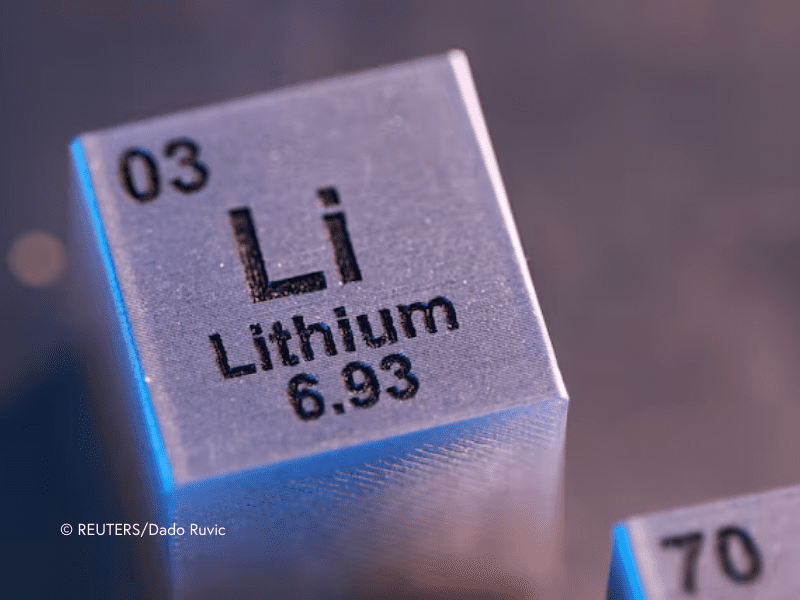
India is preparing a package of financial incentives aimed at accelerating domestic lithium and nickel processing, as part of broader efforts to strengthen its supply chain for critical battery materials. The proposed scheme is intended to encourage companies to establish local processing capacity, an area where the country currently relies heavily on imports.
For eeNews Europe readers, the announcement is relevant because it highlights how governments outside Europe are using targeted industrial policy to secure access to battery materials, a trend that could influence global supply chains for electric vehicles, energy storage systems, and power electronics.
Capital subsidies target battery materials
According to details outlined in a government presentation seen by industry sources, the incentive programme would offer a capital subsidy of up to 15 percent for eligible lithium and nickel processing projects. The scheme would apply to investments starting on or after April 1, 2026, and would be subject to project-specific caps.
Under the proposal, incentives would be available for five years. For lithium processing plants, annual support would be capped at 40 percent of net sales turnover, while nickel processing plants would be subject to a lower cap of 25 percent. Subsidy payments would be released in stages and linked to minimum plant utilisation targets defined by the government.
To qualify, lithium processing facilities would need a minimum annual capacity of 30,000 tonnes, while nickel plants would be required to process at least 50,000 tonnes per year. Initially, the programme is expected to support two lithium and two nickel projects, which are intended to help meet projected domestic demand by 2030.
Reducing dependence on external suppliers
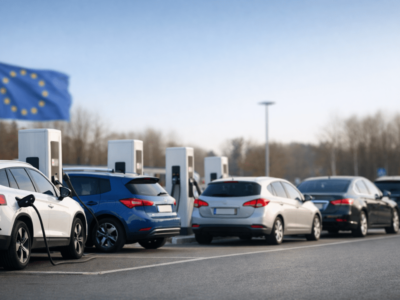
Lithium and nickel are central to India’s electric vehicle ambitions, particularly for battery production. Government targets call for electric vehicles to account for 30 percent of passenger car sales and 80 percent of two-wheeler sales by 2030, up from single-digit percentages today.
While India has identified more than 20 minerals as critical to its energy transition, it currently lacks large-scale processing capability for several of them. Much of the global processing capacity for battery-grade lithium and nickel is concentrated in China, creating strategic and supply chain concerns. By incentivising local processing, India aims to reduce exposure to external suppliers and improve control over key stages of the battery value chain.
 If you enjoyed this article, you will like the following ones: don't miss them by subscribing to :