BIOSYNTH – Artificial DNA for Mass Data Storage
The volume of data is growing by the day, researchers estimate a rise to 284 zettabytes between now and 2027
Traditional storage systems are not sufficient for the huge volumes of data created these days by us all and the usage of AI. Three Fraunhofer Institutes are developing a microchip based solution for artificial DNA storage.
If you think of the enormous volume of our own DNA has, you will understand why researchers are looking to use artificial strands of DNA for binary storage. The four basic building blocks (nucleobases) of DNA: guanine (G), thymine (T), cytosine (C) and adenine (A). The sequence of the A,C, G and T are defined by the binary code and can be written to the microchip. Special algorithms can check the data for errors.
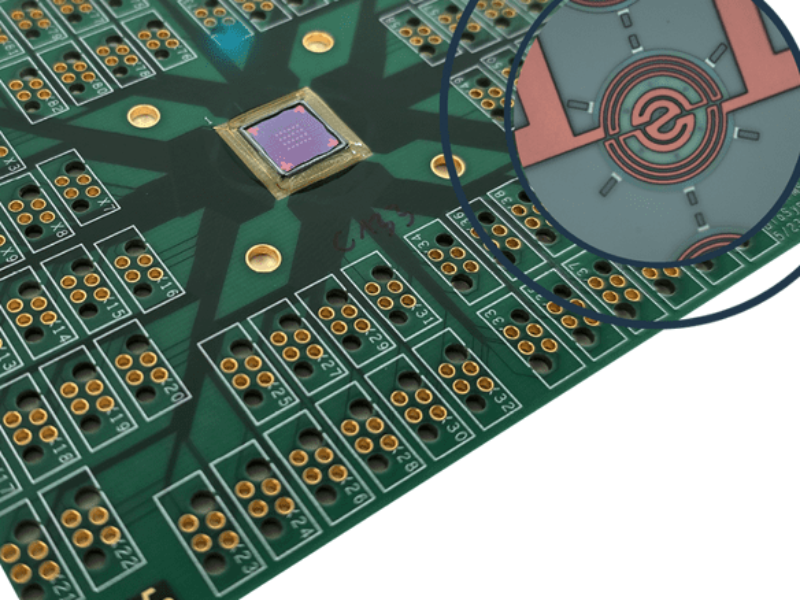
The Biosynth project focus is to create a Modular High-Throughput Microplatform for Future Mass Data Storage Based on Synthetic Biology and has a long term objective.
In the researchers own words:
Our goal is for our portable, low-energy platform to replace the large synthesis systems that are currently in use, which take up an entire room. This will enable commercial biologically based data storage. With our microchip platform for writing software-defined nucleotide sequences (DNA, RNA or peptides), we hope to achieve high throughput by applying high integration and series production processes used in microelectronics — always with an eye to low-energy, inexpensive manufacturing.
Source: Fraunhofer
 If you enjoyed this article, you will like the following ones: don't miss them by subscribing to :